
Rest Is a Skill: How to Rest When You Cannot Slow Down
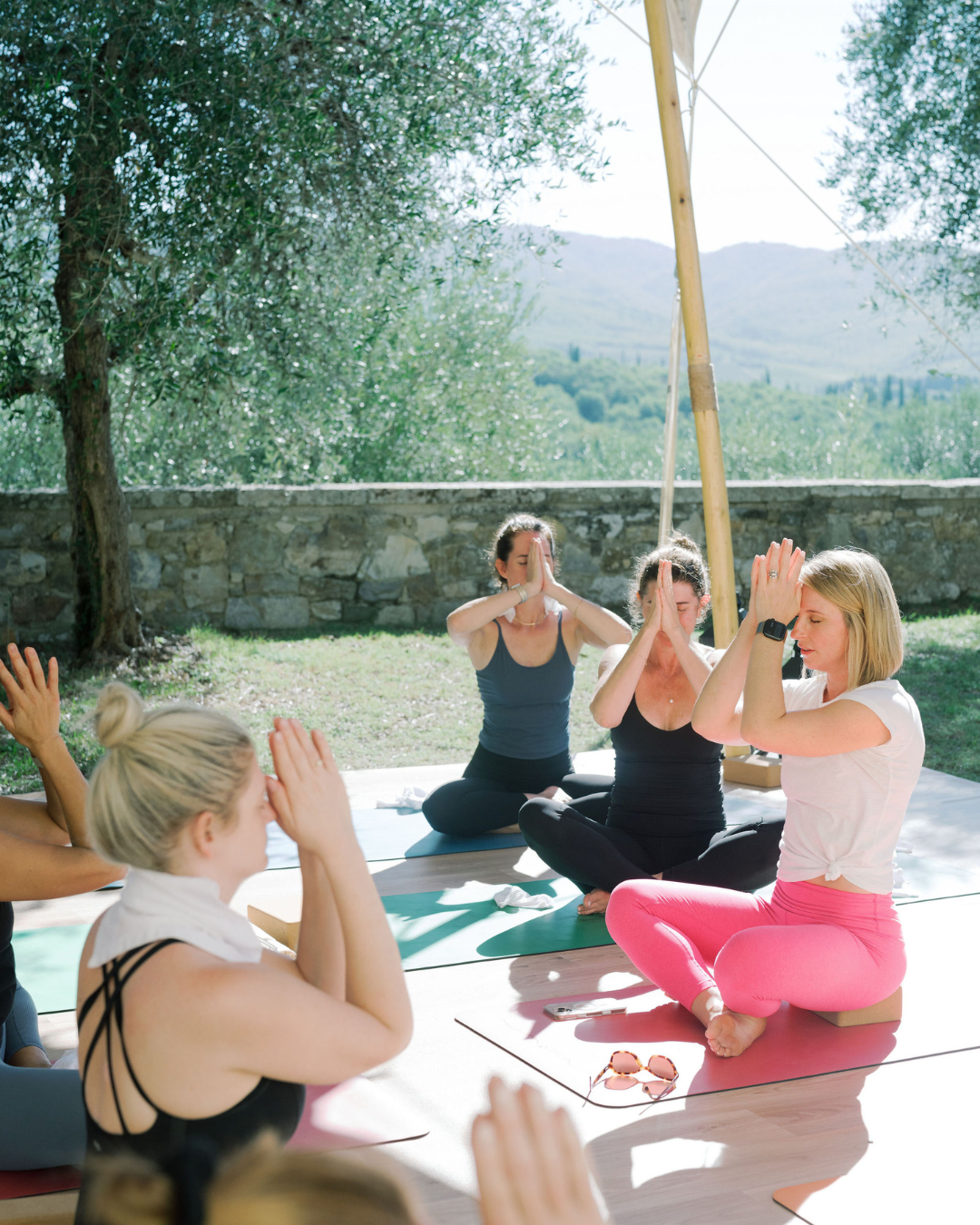
"Almost everything will work again if you unplug it for a few minutes, including you." — Anne Lamott
A few years ago I was sitting on my porch on a Saturday morning, coffee in hand, and I could not tell you a single thing I was looking at. My mind was already three tasks ahead. I was physically still, but nothing about me was actually resting.
That was the moment I realized something I'd been avoiding for years. I didn't actually know how to rest. I knew how to stop working. I knew how to collapse at the end of a long day. But real rest, the kind that leaves you steadier instead of just tired in a different way, was a skill I had never built.
So I started treating it like one.
Yes, rest is a skill. It's closer to cooking or running than to a feeling you fall into, something you get better at with practice and lose the knack for just as fast when you stop. If slowing down feels impossible right now, you're not broken. You just haven't practiced it yet. Here's how I learned.
For years I thought rest was something you got to once everything else was handled. Inbox cleared, house in order, everyone else taken care of first. I told myself I'd rest when I finally had time, but that time never showed up on its own. I had to make it, on purpose, over and over, before it ever felt natural to me.
That's the part nobody tells you going in. Rest doesn't just arrive once you've done enough. It's a skill, and like any skill, you build it.
Is rest really a skill you can learn?
Rest is a skill you build with practice, not a reward you earn once everything is handled. Like cooking or running, you get better at it the more you do it, and you lose the knack when you stop.
Most of us treat rest as a prize waiting at the end of a long enough to-do list. It isn't. It's a practice, and the good news about a practice is that anyone can start it, at any level, today.
Why is it so hard to rest, even when you're exhausted?
Rest is hard because most of us were taught to work, not to rest. We learned how to push through and keep going when we were tired, so when rest finally shows up it can feel strange, even a little uncomfortable.
The exhaustion underneath it is real, not weakness. The World Health Organization now recognizes burnout as an occupational phenomenon, the result of chronic stress that has not been managed. So if you're running on empty, you're not failing at rest. You were simply never taught the skill.
I hear this all the time from the people who come to our retreats. They arrive exhausted and still catch themselves reaching for their phone the first afternoon, or apologizing for a nap, or asking what tomorrow's schedule is because unstructured time makes them nervous. None of that means something's wrong with them. It just means the skill hasn't been practiced yet.
How do you practice rest when you can't slow down?
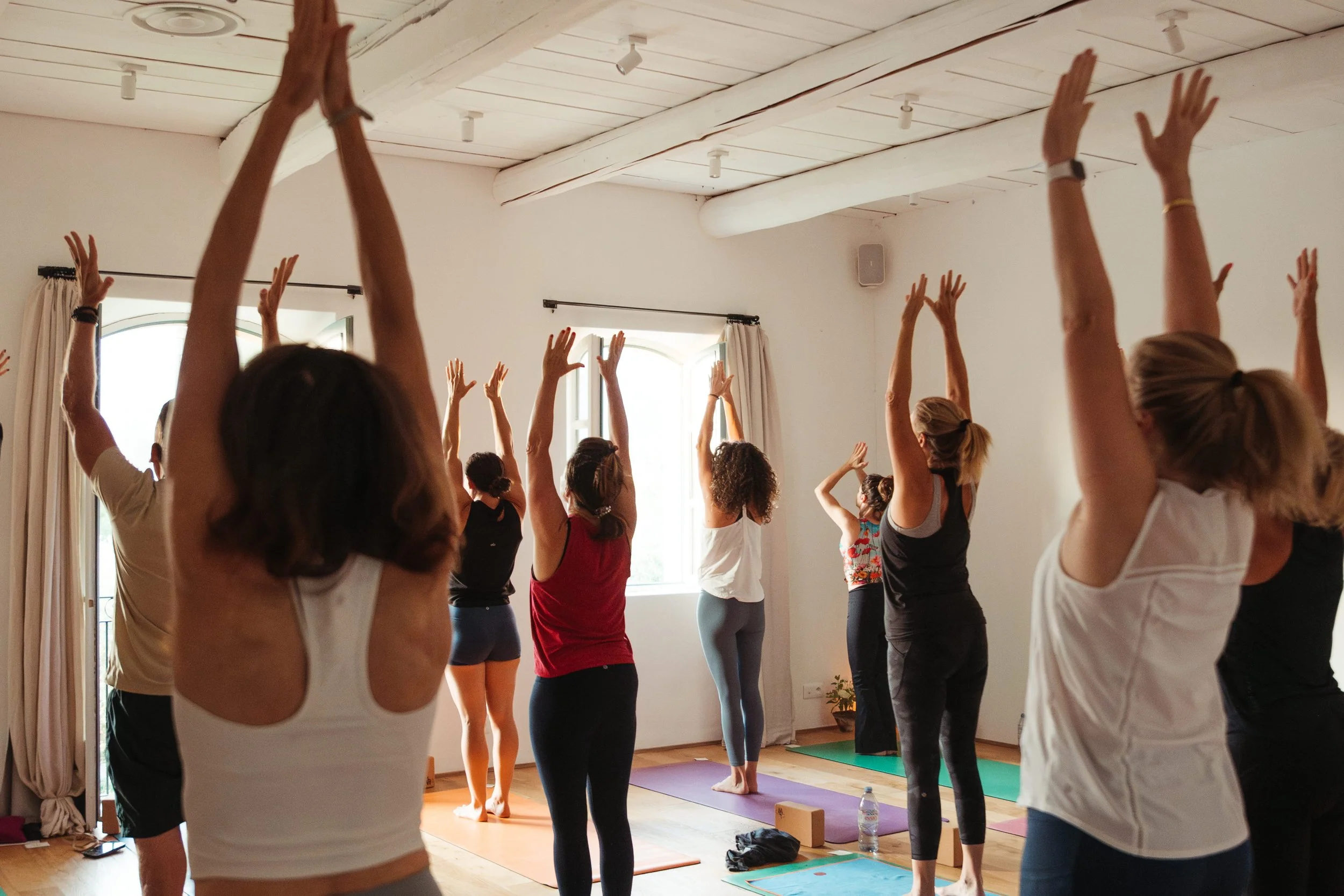
You practice it in small, repeatable ways, not one grand escape. A few years ago I stopped waiting until I felt like I'd earned rest and started treating it like anything else I wanted to get better at. Four things that work:
Protect the small windows before the big ones. A full retreat once a year matters to me, but it can't be the only rest I get. Most mornings I hold ten minutes before anyone needs anything from me. That small habit is the practice ground, and it's where I build whatever I need for the bigger breaks later on.
Stop requiring a reason. For a long time I only let myself rest after a hard season, as if it had to be earned through suffering first. These days I rest on ordinary weeks too, not because I've hit a wall but because it's simply how I want to live.
Let it look imperfect. Some days my version of rest is a walk with no real destination. Other days it's going to bed an hour early and leaving the dishes for morning. Rest doesn't have to look a certain way to count. It just has to actually rest me.
Say it out loud. When I'm taking time, I tell my husband, my team, a friend. Naming it makes it real, and makes it a lot harder to talk myself out of later.
How do you practice rest when you can't slow down?
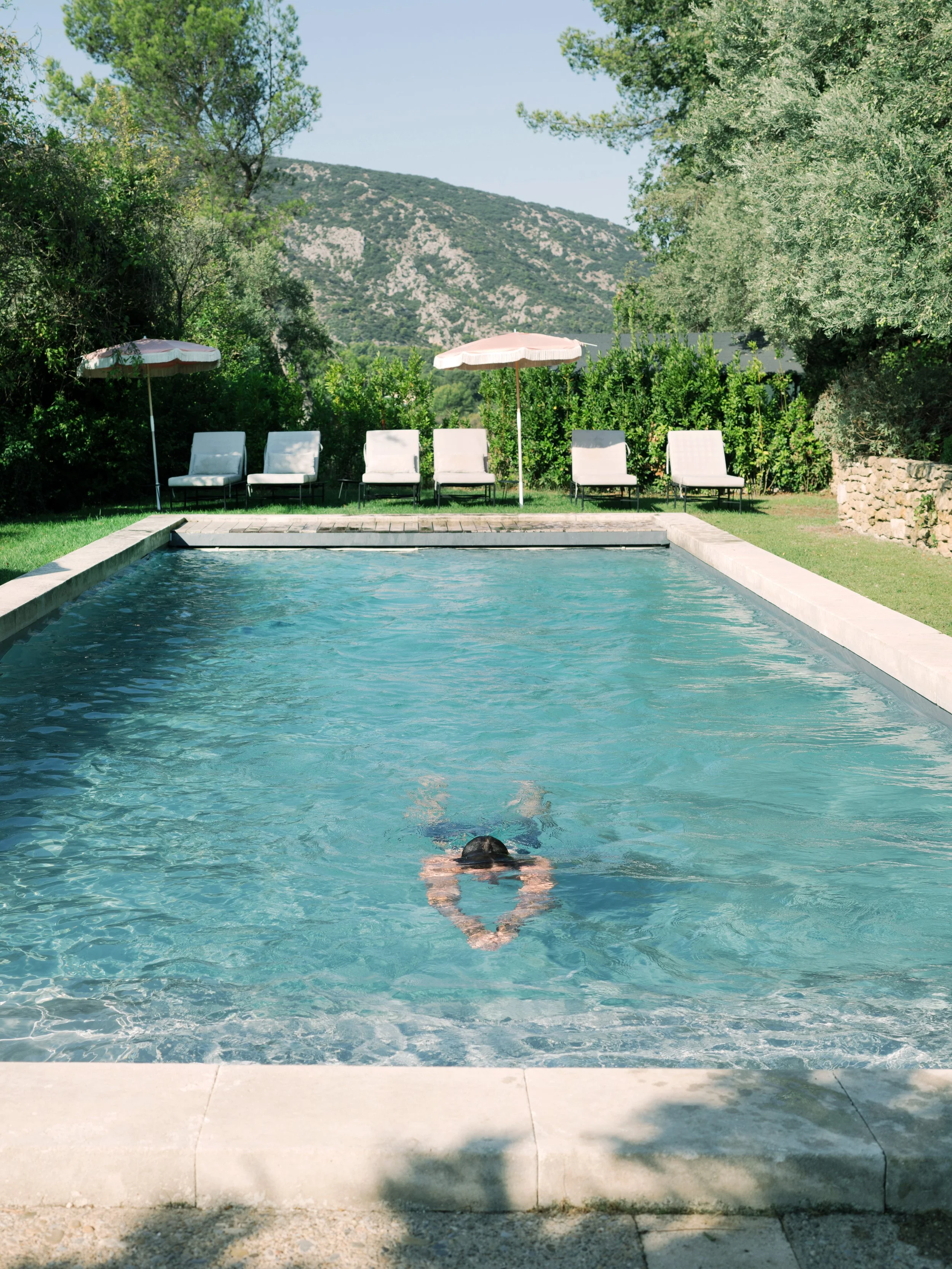
The guilt eases when you stop treating rest as time stolen from something more important. Rest is not the opposite of a good life, it's part of one.
I used to feel I had to earn rest through exhaustion first. What changed was deciding that rest isn't a reward for being depleted, it's how I keep from getting depleted in the first place. You're allowed to rest before you hit the wall. That's the whole point.
Do wellness retreats actually help you rest?
A retreat helps because it gives you time and company to practice rest at a depth a single afternoon at home can't reach. Being away for a week, at a table with others learning the same skill, does something an hour here and there simply can't.
I built LDW Coaching and Retreats, luxury wellness retreats for women, because I needed a place to practice this at a depth I couldn't reach on my own, and I know a lot of you need the same thing. A retreat isn't an escape from your life so much as training for the life you actually want to live.
Where do you start?
Start small, wherever you are. If rest still feels unfamiliar, you're not behind, you're just early in the practice.
Pick one small window this week and protect it. When you're ready for the deeper version, we'll have a seat for you. And if someone you love needs rest more than you do right now, you can give it to them. This August, you can nominate someone who could use rest most through our Nominate Someone In Need of Rest program.
About the author
Lindsay Dover Wheeler is the founder of LDW Coaching and Retreats, where she leads luxury wellness retreats for women in Provence, Tuscany, Mallorca, Portugal and the Cotswolds. After fifteen years in corporate leadership, she now helps high-achieving women learn to rest, restore and reconnect.