
The Geography of Calm: How Intentional Travel Heals the Nervous System
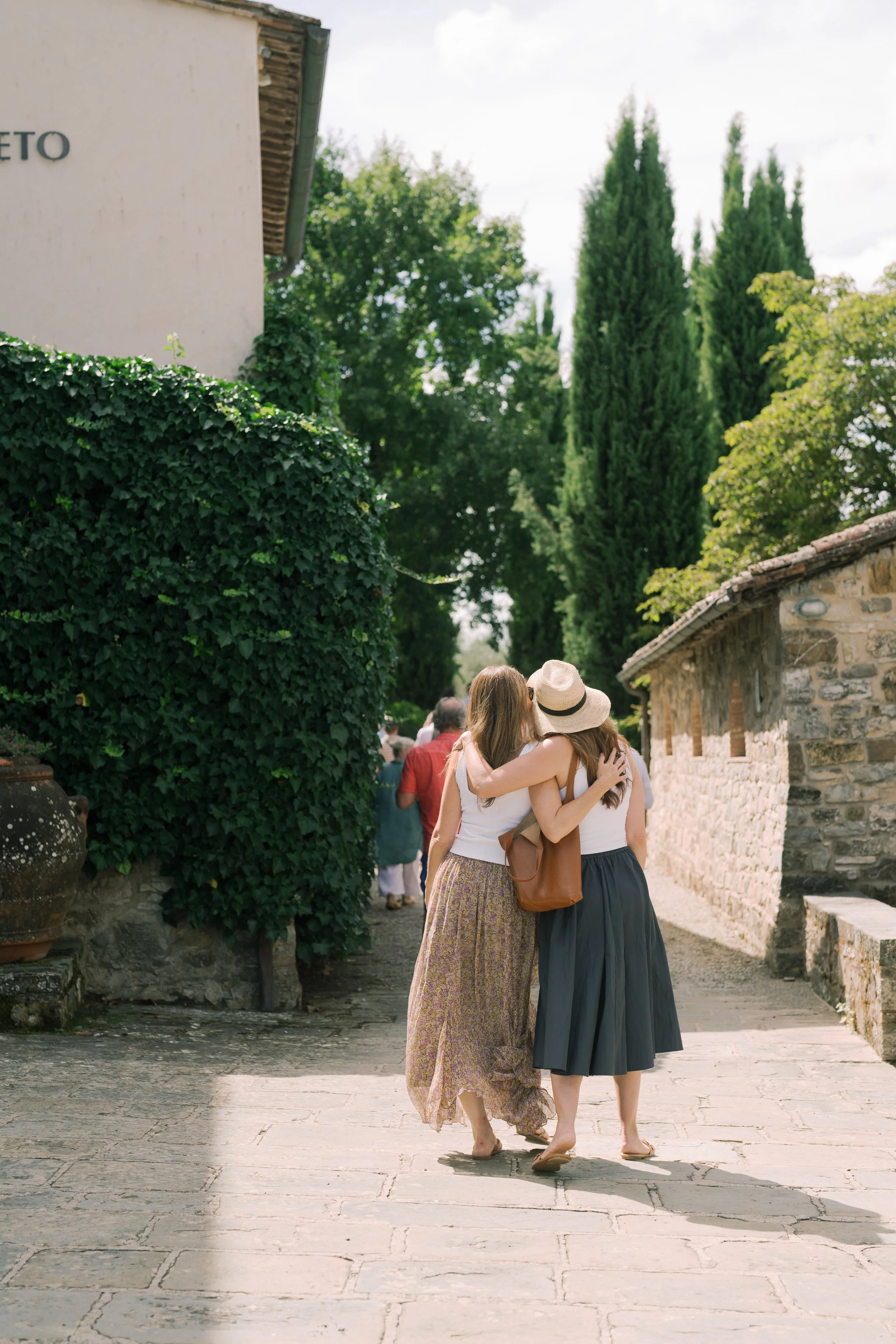
“You’ll find that the most beautiful view isn't a landmark at all—it’s the clarity you find when you finally come back home to yourself.”
For many of us, the word "travel" has become synonymous with a different kind of exhaustion. We’ve been conditioned to approach our out-of-office days with the same frantic energy we bring to our Q4 deadlines—packing our itineraries until they are bursting, chasing "must-see" landmarks, and documenting every moment through a lens rather than through our own senses. We return home needing a vacation from our vacation, our nervous systems just as frayed as when we left, only now with a slight tan and a mountain of unread emails.
Lately, I’ve been leaning into the concept of traveling with intention. This isn't about the destination itself, but about the frequency we choose to operate at once we arrive. When we move through a new landscape with a sense of "sacred attention," something profound happens to our physiology. The constant "fight or flight" response that many of us carry—a relic of our corporate survival days—finally begins to settle.
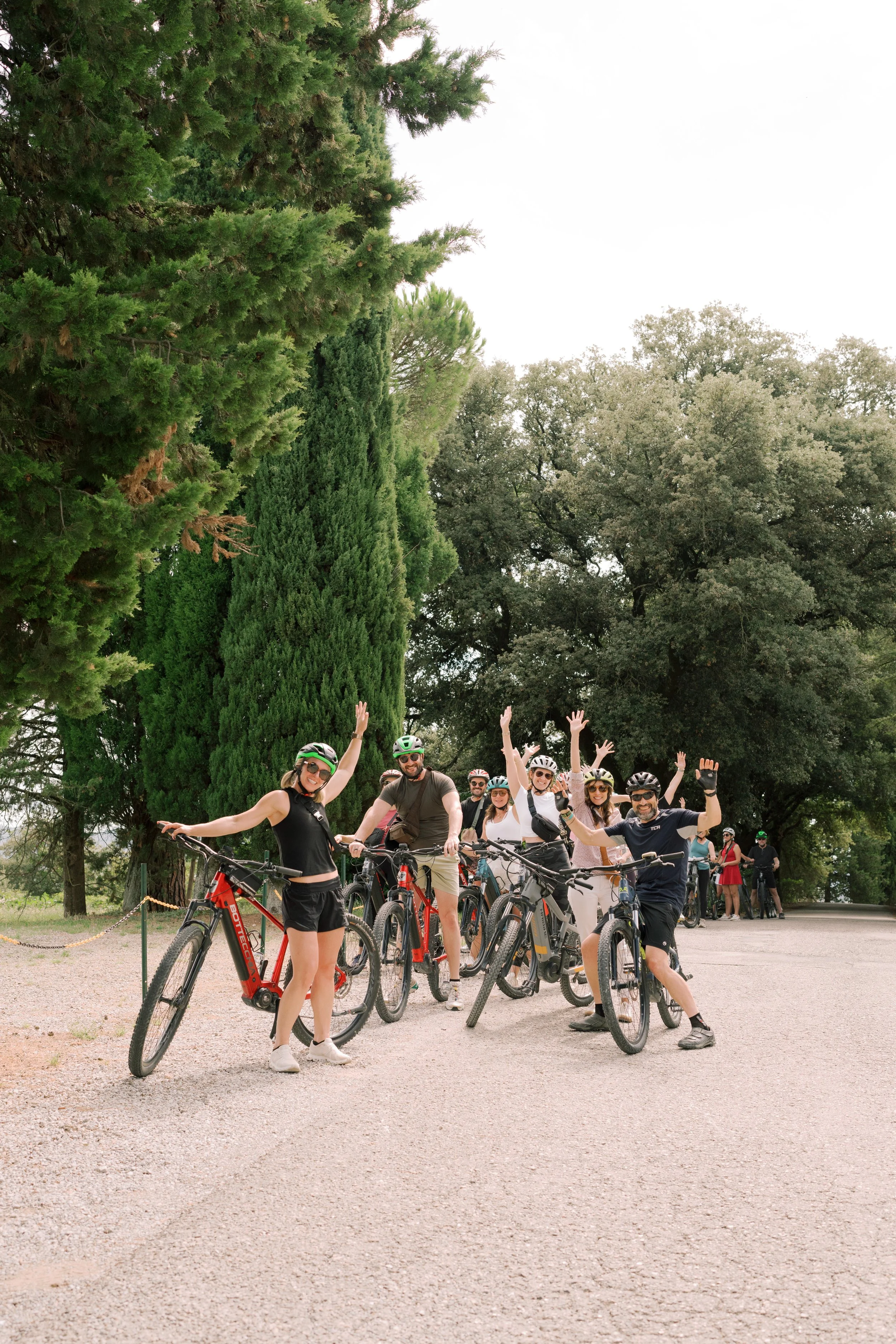
Traveling with intention acts as a manual reset for the nervous system because it forces us back into the present tense. When you are sitting in a quiet square in a village you can’t pronounce, or watching the way the light hits the coast at dusk, your brain stops scanning for threats or tasks. This is the "downshift" in action. By removing the pressure of the "Bulletproof Plan" and allowing for unscheduled space, we give our adrenal glands a chance to recover and our minds a chance to wander without a map.
I’ve found that the most restorative trips are those where I allow myself to be a student of the environment rather than a consumer of it. It’s about the "small-scale awe"—noticing the texture of the local stone, the smell of the air after a rain, or the rhythm of a local market. These moments of micro-awe are biologically significant; they lower cortisol levels and expand our sense of time. We stop rushing toward the next thing and realize that we are already exactly where we need to be.
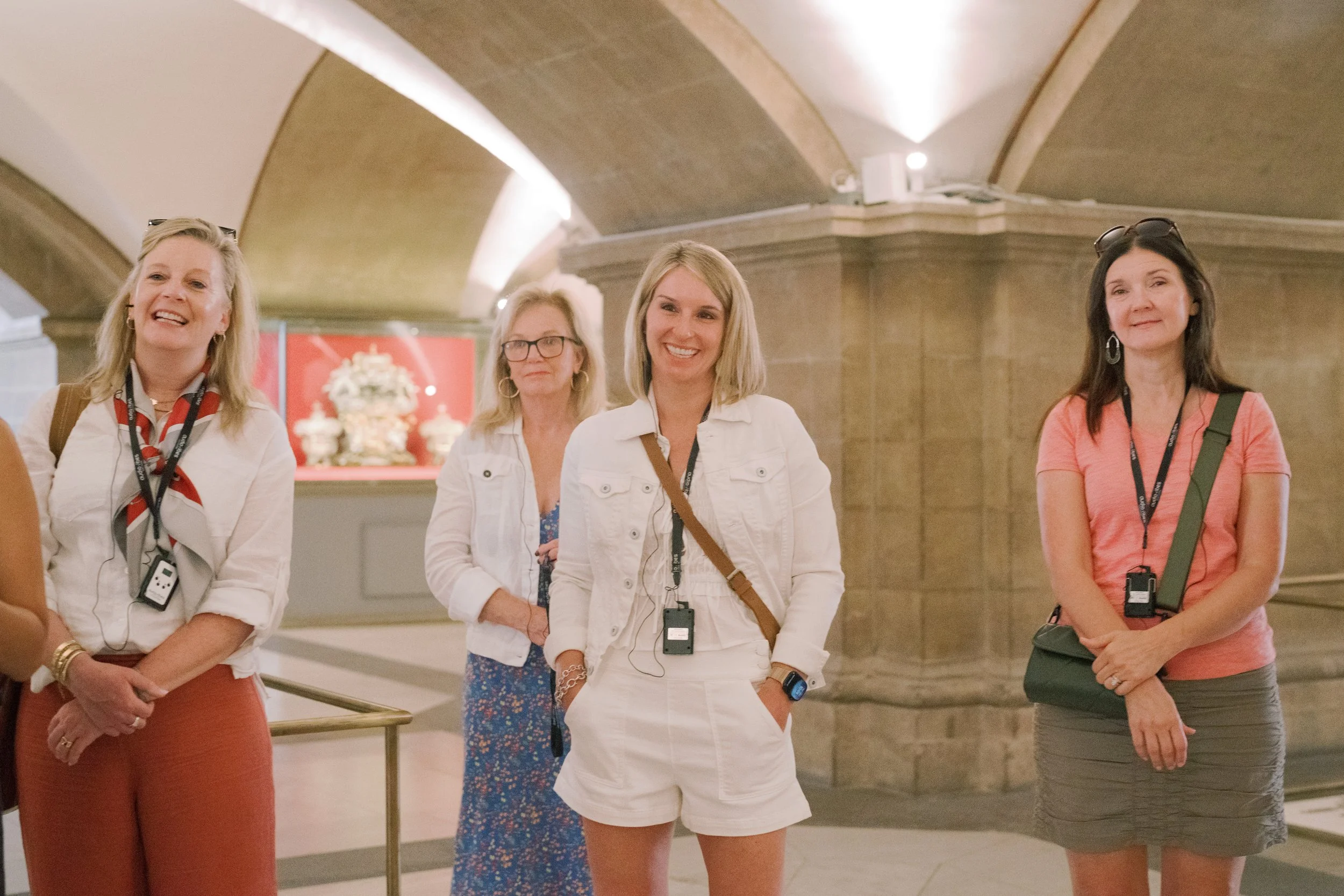
As we move into March and the world begins its subtle shift toward spring, I invite you to look at your next getaway through this lens. Don't ask what you can "see," but rather, how you want to feel. Leave the laptop behind, release the grip on the itinerary, and give yourself permission to move at the speed of your own soul. You’ll find that the most beautiful view isn't a landmark at all—it’s the clarity you find when you finally come back home to yourself.